residual-logoresidual-logoresidual-logo

UNLOCKS

CARBON PROJECTS
AT SCALE

line-icon
We are the industrial-scale carbon project developer.

Our mission is to deliver 5 million tonnes of investment-grade carbon credits per year by 2030.

Who We Are

Residual is the industrial-scale carbon project developer. We partner with industrials to design carbon projects that meet the bar for financiers, ratings, insurance, and offtake. We work at the design stage to turn potential projects into profitable and high-quality carbon assets.

The Challenge

Today’s buyers are selective, but many carbon projects are not designed to meet market standards. Investment-grade projects are needed at scale, yet those that clear scientific and commercial requirements remain scarce. Meanwhile, industrial assets with potential go unused.

The Solution

We work with these industrials to develop carbon projects that attract long-term buyers. By focusing on project design and commercial readiness from the start, we help turn viable sites into carbon credits that can achieve a price premium in today’s market.


Carbon projects Residual works with

Biochar
Biomass conversion to stable carbon
BECCS
Bioenergy with Carbon Capture and Storage
ARR
Afforestation, Reforestation, and Revegetation
Superpollutants
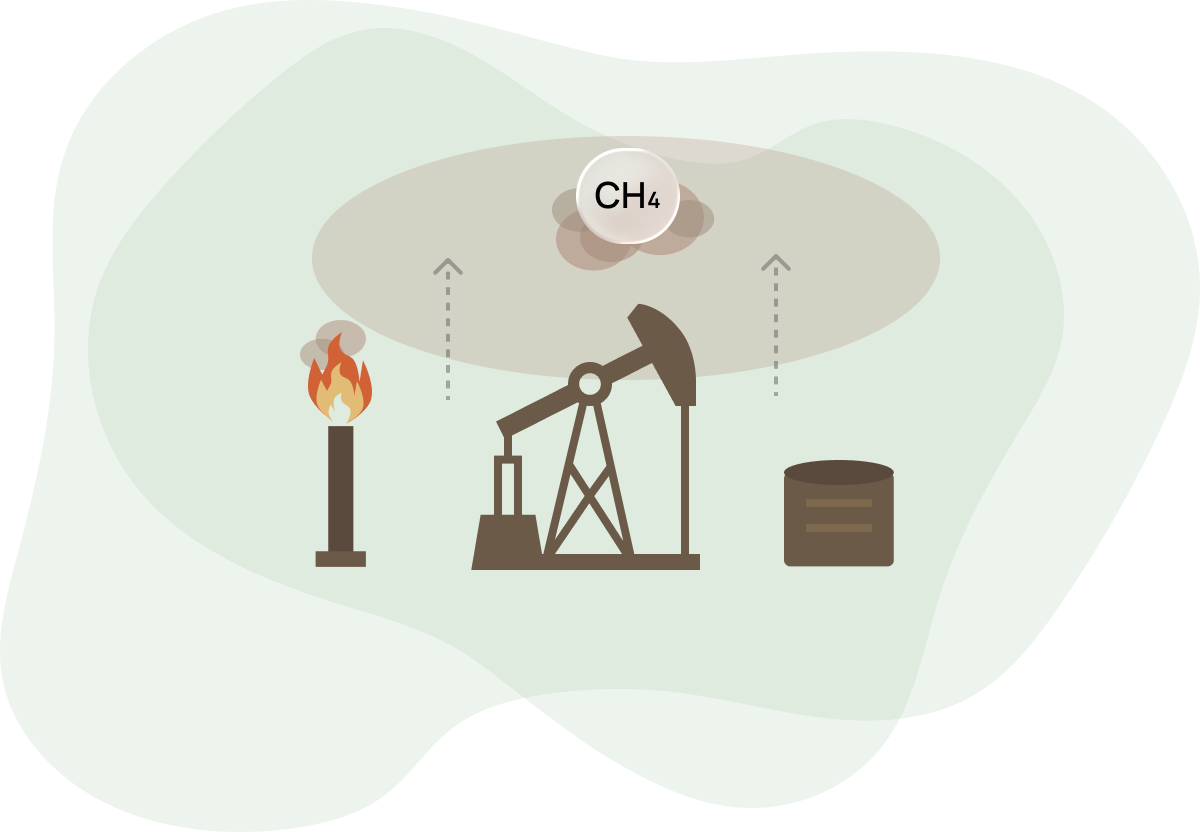
Methane and high-impact emissions

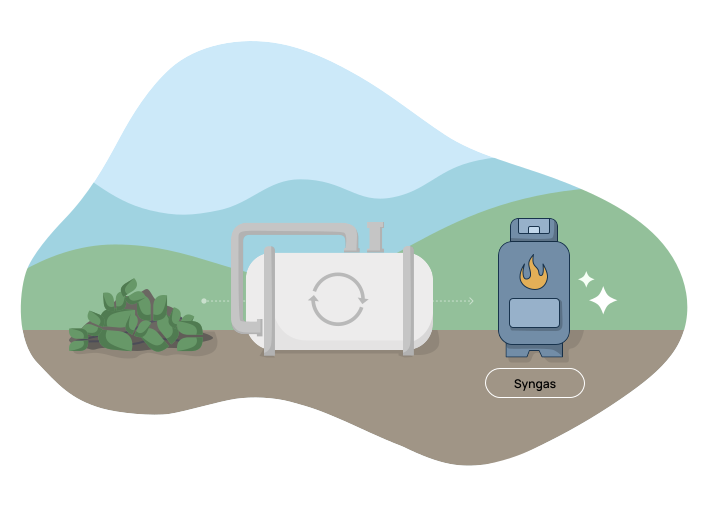
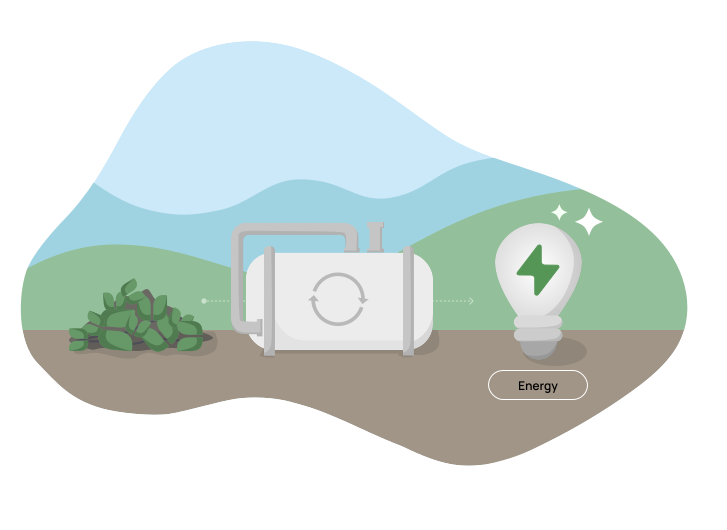
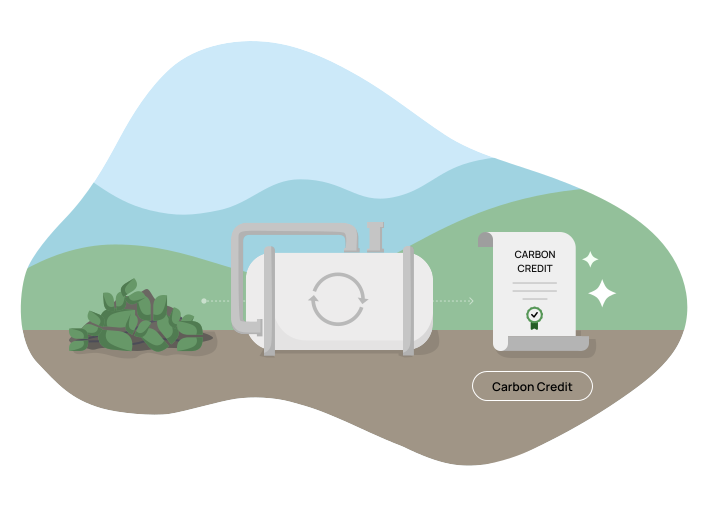
Here’s an example of how Residual can help you develop a successful biochar project.

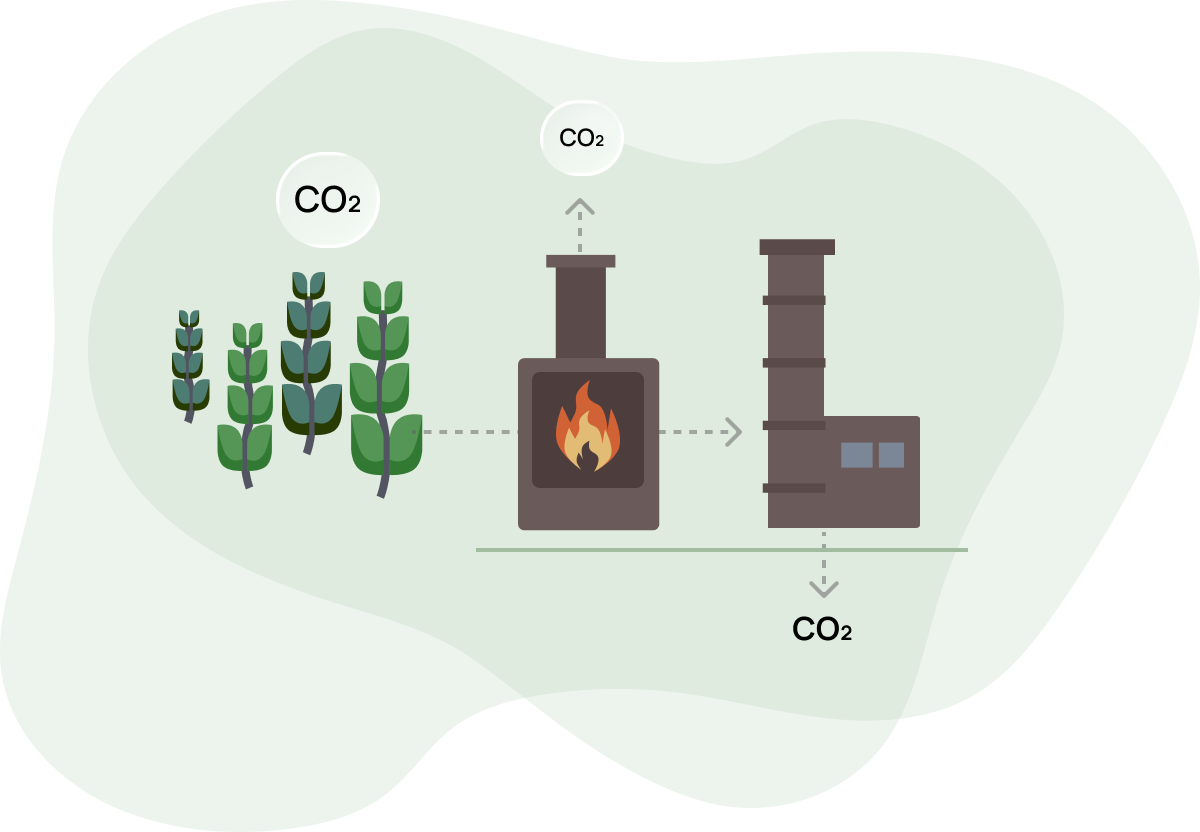
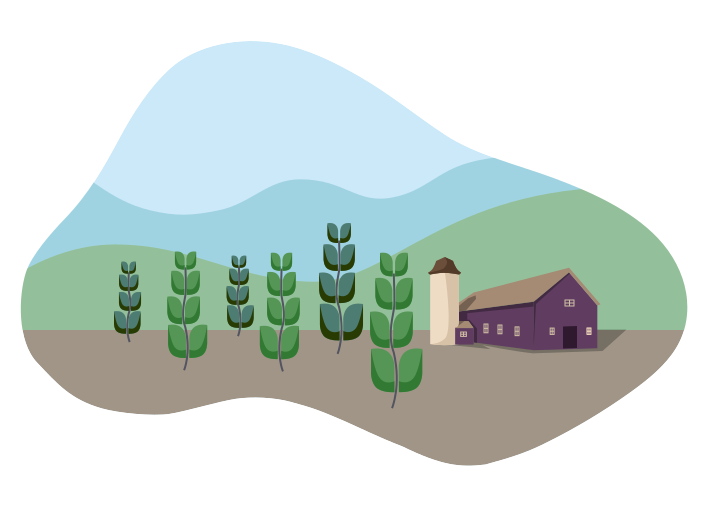
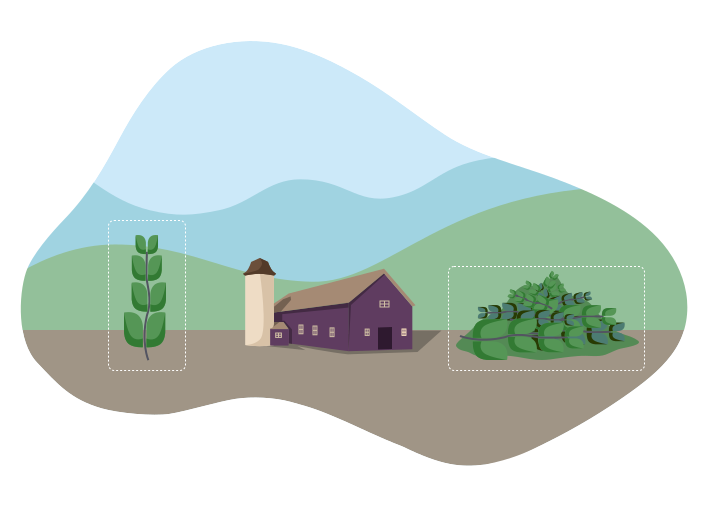
Each year, farms and mills across the world produce crop residues and waste products.
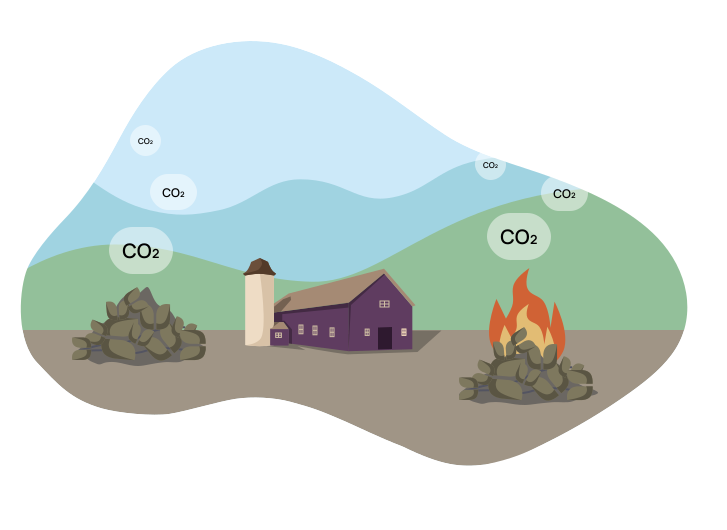
Much of this material is left to decay or is burned, releasing carbon back into the atmosphere.
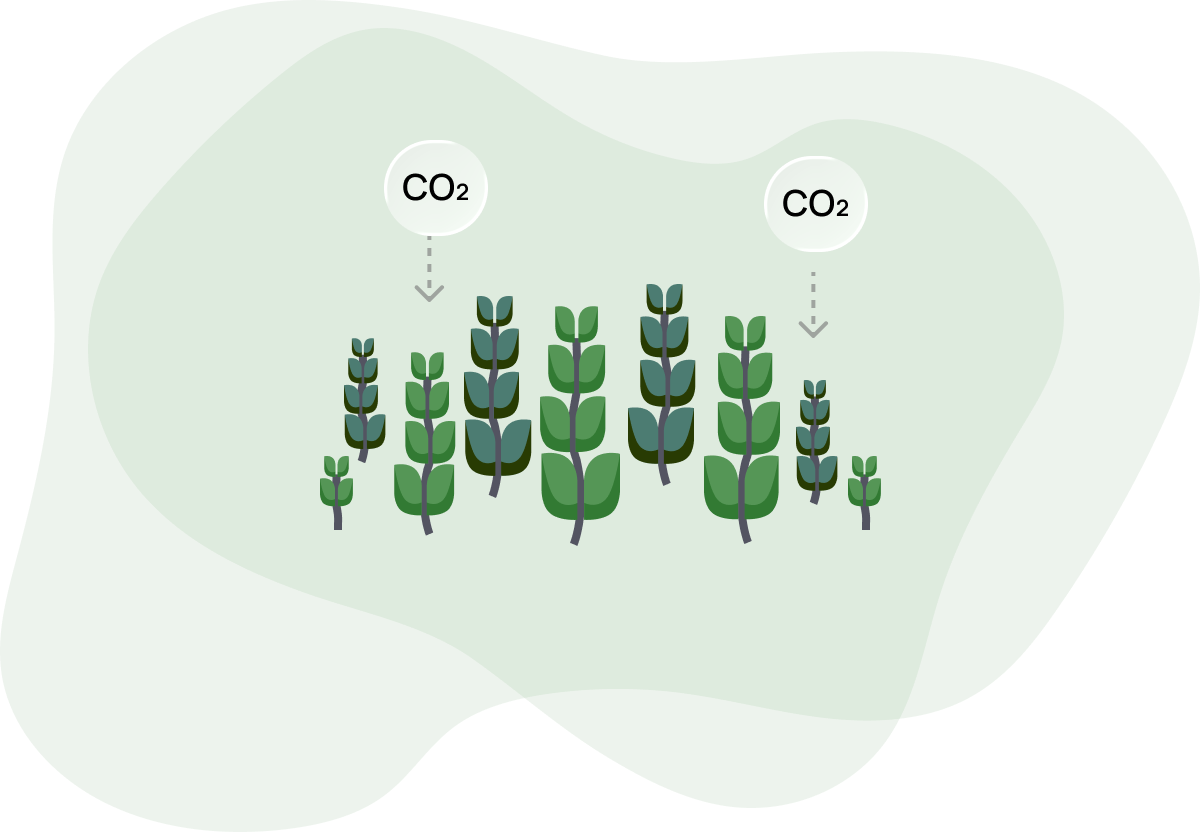
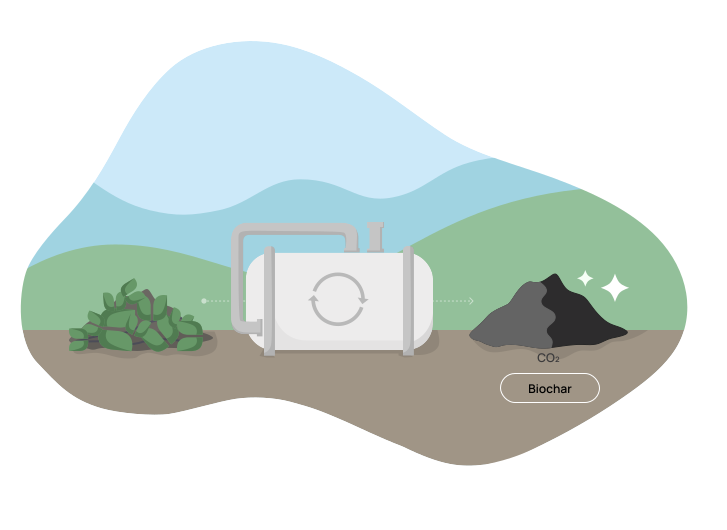
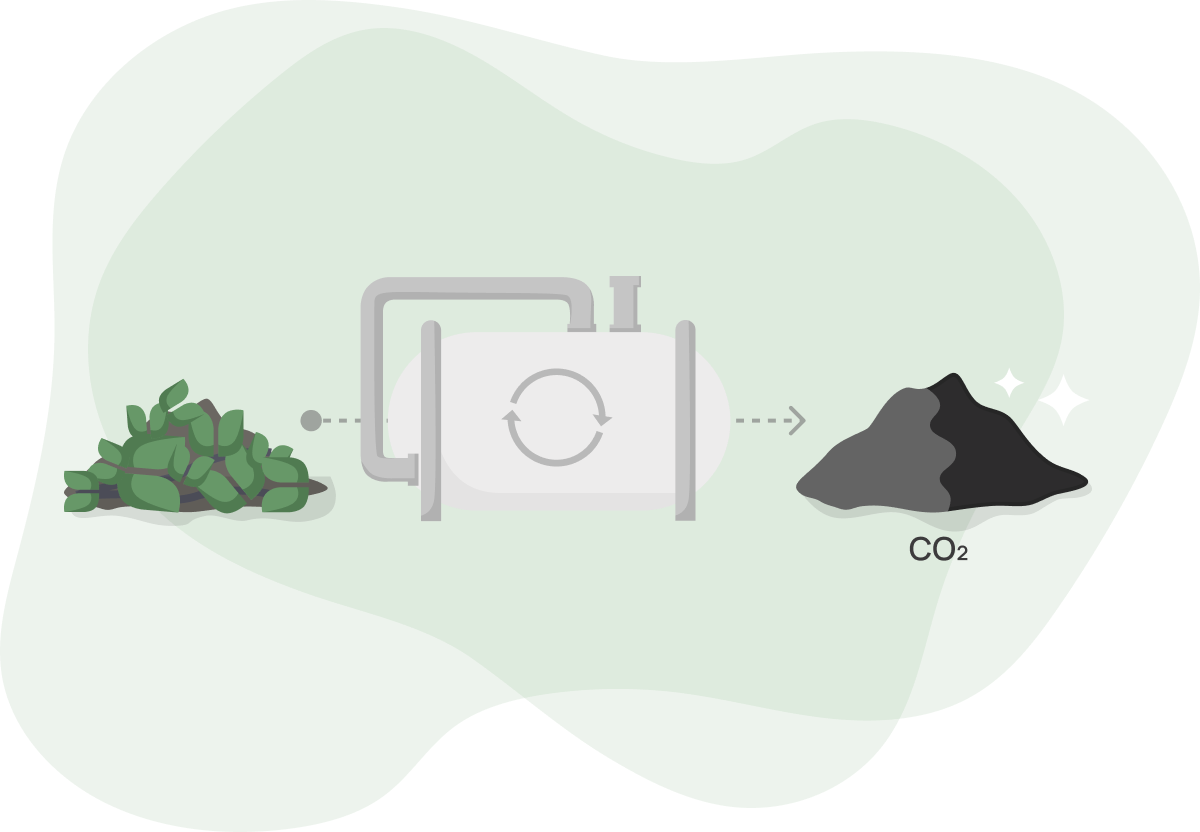
That same biomass can be used for carbon removal: an estimated 3 billion tonnes could be converted into biochar and other durable forms of stored carbon.
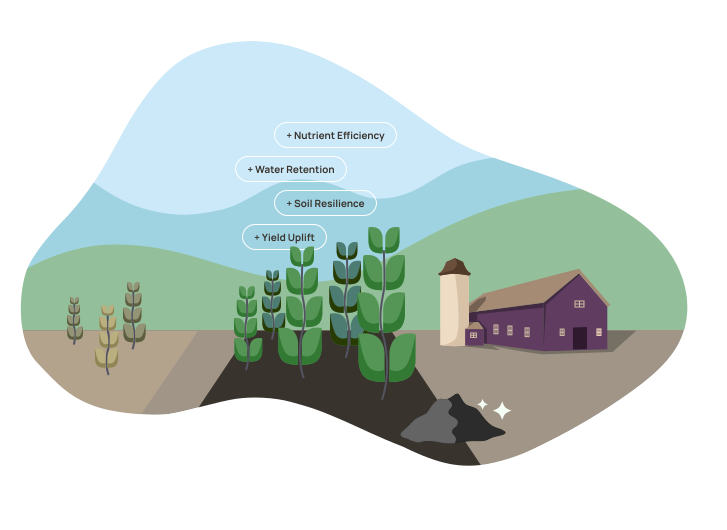
When applied to soils, biochar improves water retention and nutrient efficiency, boosting yields and strengthening resilience.
Each year, farms and mills across the world produce crop residues and waste products.
Much of this material is left to decay or is burned, releasing carbon back into the atmosphere.
Each year, farms and mills across the world produce crop residues and waste products.
Much of this material is left to decay or is burned, releasing carbon back into the atmosphere.
That same biomass can be used for carbon removal: an estimated 3 billion tonnes could be converted into biochar and other durable forms of stored carbon.
When applied to soils, biochar improves water retention and nutrient efficiency, boosting yields and strengthening resilience.

Residual helps businesses identify and unlock the potential of their carbon assets.

Design

We design carbon projects around buyer, investor, and diligence requirements, not just registry rules. That means credible baselines, strong economics, proven technology, and documentation that stands up to scrutiny. The result: projects built to issue, scale, and sell.

Derisk

Quality is set early. We build carbon, financial, and operational integrity into the project from day one, from feedstock and technology choices to MRV, safeguards, and governance. Our risk expertise ensures your project meets the bar for certification, ratings, insurability, and long-term integrity.

Deliver

We take projects end-to-end: registry, MRV, ratings, verification, and commercialization. Through our buyer network, including major corporates, hyperscalers and financial institutions, we help ensure credits are sold at a premium and under long-term agreements. Our incentives are aligned: we succeed when your project succeeds.
Platform

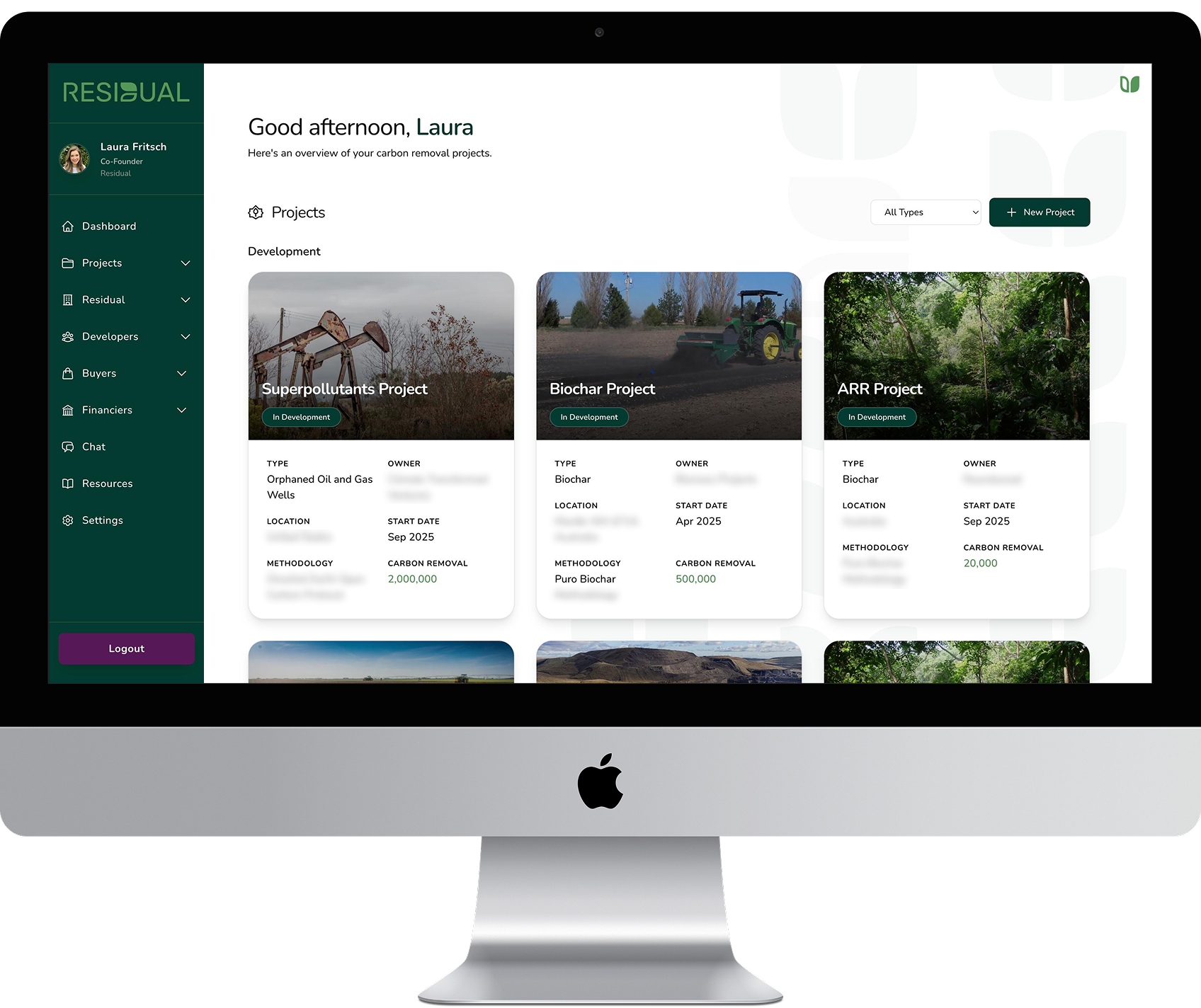
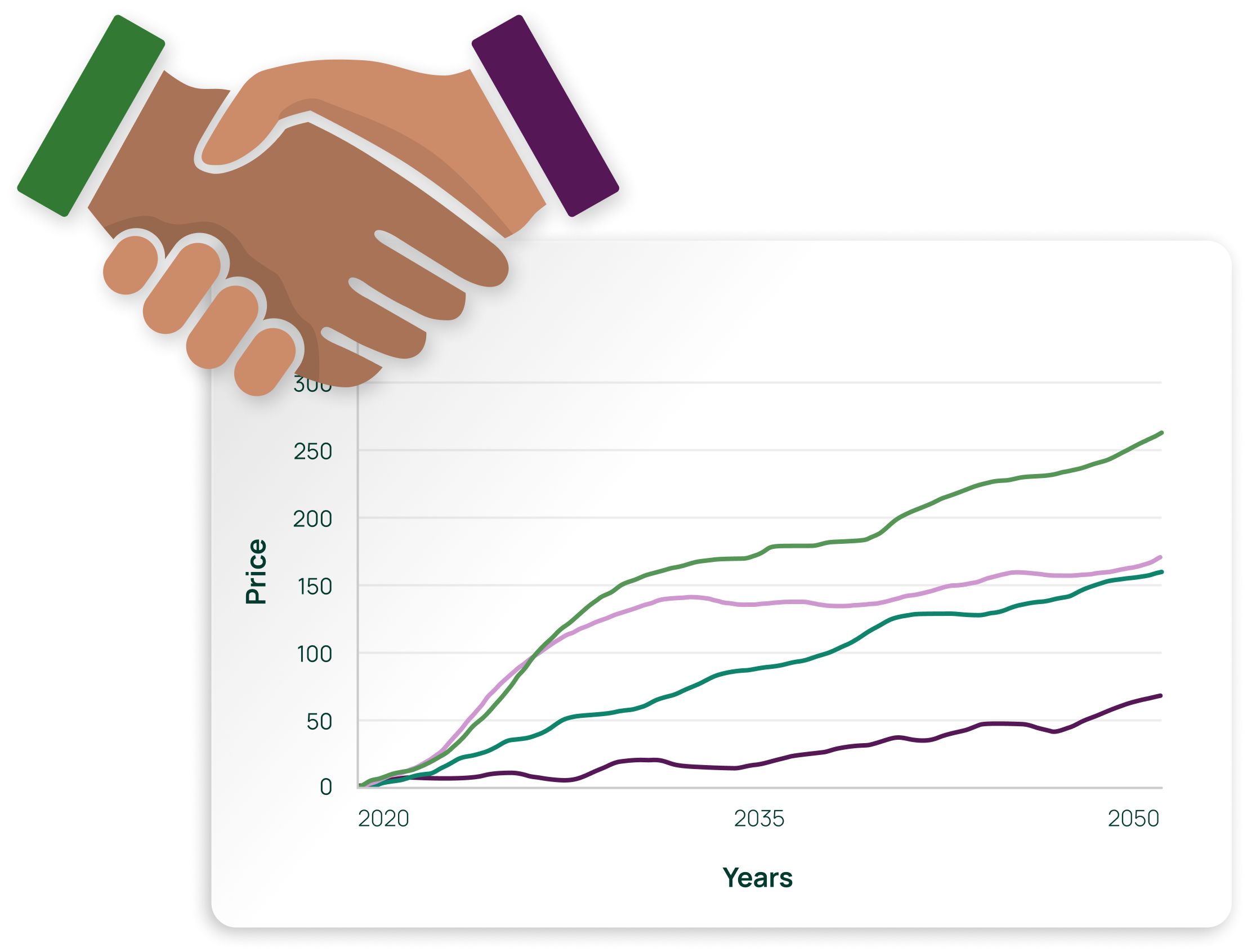
Through the Residual platform, you can present your data and documents to buyers and investors, track progress, structure financial models, and monitor every phase of your project.

Impact

Together, we turn underused assets into long-term climate impact: reducing emissions, supporting land productivity, and strengthening local economies.

Start your project with Residual and make your assets part of the climate solution.

Read More in Our New Article

Our Founding Story

Read More About Us

How to Create a Top Quality Biochar Project
The Sleeping Giant of Carbon Removals
Ex-Oka and BeZero Execs Launch New Carbon Removal Developer Residual
What are biomass-based carbon removal technologies?

Biomass-based carbon removal technologies include biochar production, biomass gasification with carbon capture, and BECCS (Bioenergy with Carbon Capture and Storage). These technologies convert organic materials like agricultural residues, woody biomass, and industrial byproducts into stable carbon forms or utilize them for energy while capturing and storing CO₂.

What is biochar?

Biochar uses biological carbon removal. When biomass and other organic materials are burned in a low oxygen environment, a process called pyrolysis, the carbon inside the biomass transforms to a state where it cannot decay - known as biochar. It is then spread over soil or buried to store carbon in the land.

What is bioenergy with carbon capture and storage (BECCS)?

Bioenergy with carbon capture and storage (BECCS) integrates energy production, natural carbon removal, and geological storage. This process involves using biomass as fuel to produce energy while capturing the resulting CO2 emissions for storage underground. By doing so, BECCS not only generates energy but also achieves negative emissions.

Our Team

We are a team of carbon market experts with rare experience across ratings, insurance, and project commercialization, focused on building projects that meet buyer and investor standards from day one.

Our Advisors

Our advisors consist of industry leaders spanning climate science, natural ecosystems, and carbon markets, bringing practical insight into how high-quality projects are designed, assessed, and taken to market.

Contact Us

Unlocking Carbon Projects at Scale

brandmark-purple
Thank you for contacting us! We will respond shortly.
Oops! Something went wrong while submitting the form.

What We Offer

At Residual we’re building a future where durable carbon removals are more accessible, affordable, and impactful. Join us on our journey to unlock the full potential of carbon removal and make a tangible difference in the fight against climate change.

Development

Full-stack project design & documentation. We support clients in selecting project technologies and preparing key documentation, including Techno-Feasibility Assessments, Project Design Documents (PDDs), Life Cycle Assessments (LCAs), Risk Assessments and Mitigation Plans, Feedstock Analyses, and Monitoring Plans.
   
Certification, ratings & insurance preparation. We manage the end-to-end process for registry certification, third-party ratings, and insurance—covering everything from risk analysis to final submission.
   
Project finance advisory. We develop financial documentation and facilitate engagement with funders to help unlock grants, debt, and equity financing.

Advisory

Project documentation review. We rigorously evaluate your project design, monitoring approach, and safeguard measures to enhance credit integrity and pricing potential.
   
Certification, ratings & insurance preparation. We manage the end-to-end process for registry certification, third-party ratings, and insurance—covering everything from risk analysis to final submission.

Commercialization

Offtake sourcing & negotiation. We secure long-term offtake agreements with high-quality buyers, negotiating favorable terms on your behalf.
   
Credit brokerage. We manage RFPs and credit sales across our trusted buyer network to maximize pricing and speed to close.

laptop-2

Project Platform

DEVELOPER-SIDE

Our platform will deliver project design documentation, data monitoring and validation reports, carbon rating and insurance preparation, and life cycle assessments. Over time, we will automate and streamline the project development process, making carbon removal easier, faster, and scalable.

Buyer-side

Biomass Hold Real Environmental and Financial Value

brandmark-white

We Unlock it at Industrial Scale

FAQ

What are biomass-based carbon removal technologies?
What is biochar?
What is bioenergy with carbon capture and storage (BECCS)?

Up to 16 billion tonnes of removals required annually by 2050

United Nations, IPCC

Executive Team

Industry-leading team with unique experience in carbon risk management and carbon project commercialization.

Dr. Laura Fritsch
linkedin
Co-Founder
Ted Christie-Miller
linkedin
Co-Founder
Mark Goldman
linkedin
Head of Science
Ellie Dlouha
linkedin
UI/UX Designer
Dr. Eoin O’Sullivan
linkedin
Carbon Scientist
Jorien Scholten
linkedin
Project Finance Lead
Kevin Lu
linkedin
Founder's Associate

Advisory Team

Advisors with deep expertise across climate science, technology, and natural ecosystems, supporting our mission with strategic insight.

Dr. Steve Smith
linkedin
Scientific Advisor
Tom Miles
linkedin
Pyrolysis Advisor
Sarabeth Brockley
linkedin
Carbon Markets Advisor
Dr. Rishi Das
linkedin
Forestry Advisor

Work With Us

We’re building science-led solutions to accelerate climate action and scale credible carbon markets. If you're driven by impact and want your work to shape a more sustainable future, we’d love to hear from you.

CAREERS
work-with-us-img
Across the world’s farms and mills, crop residues and waste products are produced every year.
Much of this material is left to decay or is burned, releasing carbon back into the atmosphere.
That same biomass can be used for carbon removal: an estimated 3 billion tonnes could be converted into biochar and other durable forms of stored carbon.