
We're excited to welcome Julien Jacob to Residual as our new VP of Finance. Julien leads our project finance and offtake strategy work, helping bring our expanding project pipeline to life at a pivotal moment for carbon project development.
Before joining Residual, he spent four years at Puro.earth as Head of Offtakes & Investments, where he built the infrastructure and relationships that allowed a growing network of sophisticated actors to work together in CDR. Prior to carbon, he spent eight years in commodity finance across investment banks and capital-raising advisory firms.
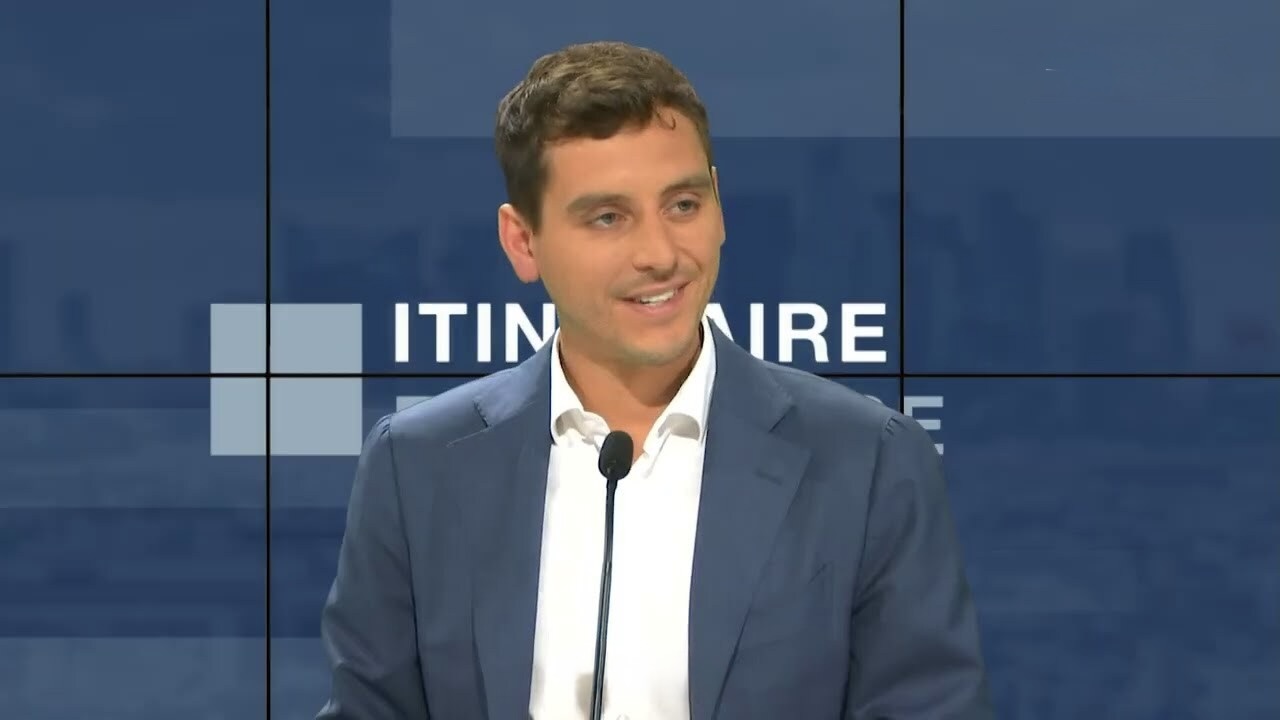
His expertise spans investor relations, carbon standards and registries, structured commodity finance, and capital raising. At Residual, he’s focused on making sure projects in our pipeline are designed for financeability from day one, connecting them to the right investors, structures, and capital across each phase of development.
To help introduce you to Julien, we asked him to share his perspective on his path to Residual, what it takes to finance high-quality carbon projects, and where the carbon projects financing landscape is heading.
On joining Residual
Moving into carbon project development is the natural next chapter for me. I spent eight years in structured commodity finance, then four years at a carbon standard and registry, watching first-hand what makes projects succeed and what makes them stall. I've been talking with a growing number of investors who have fresh mandates to deploy capital into carbon projects. The opportunities, too often, aren't shaped or ready for it. It feels like exactly the right moment to develop and bring high-quality projects to market that are built for investability.
That mission aligns closely with what Laura and Ted are building: large-scale projects, anchored to industrial or land-owning partners, designed from day one for the markets they aim to serve. That means getting involved early in a project's journey rather than retrofitting after the fact. Residual brings the full sweep of project development expertise—commercial, technical, scientific, financial—under one roof, and those dimensions have to connect for a project to work. The setup here makes that possible. My first few days confirmed what I'd sensed in earlier conversations: great people, and more importantly, a team that genuinely works well together.
What the work looks like
My objective is to find the right financing structures and capital for the projects in our pipeline. At Puro.earth, I spent a lot of time helping investors understand the specificities of CDR markets and projects so they could develop the right tools to support them, and pushing to enhance the visibility CDR projects get in the market. Now I'm drawing on the full toolkit the broader market offers to finance what we build.
A key success factor for Residual is that projects access the right financing structures along their development phases. My role is making sure projects we develop are built for financeability from the start. Every project undergoes a Feasibility Study that includes a thorough financial performance review to guide early decisions, and bank-quality documentation is then maintained at every step of investor due diligence. We're doing this in a smart way, with automation and connectivity across the many data dimensions that matter for a carbon project. The Residual platform keeps getting sharper with every real-life case we work through, helping the market meet and work together more efficiently.
What makes or breaks a carbon project
External financing is necessary at some point: to get a project off the ground, or at the very least to leverage the project owner's equity. Projects attract investment when they can generate returns in line with investors' mandates and convince those investors that the risks behind those returns are well mitigated.
Investors and buyers are discerning, and projects that aren't designed with the market in mind from the start tend to find out the hard way. Pivoting too late rarely ends well. Commercial viability is always make-or-break, however strong the project's environmental case.
Where carbon project financing stands today
It's exciting to see the carbon market maturing overall. Thanks to a growing number of financiers, funding structures, risk-mitigation tools, and forward commitments, there's now a real deck of cards to bring projects to life, and articulating them together requires expertise that draws across several finance practices at once. The work increasingly feels close to my commodity finance days.
That said, parts of the capital stack still have room to grow. Projects need to finance real assets, and venture-type funding that supported the market just a few years ago is sub-optimal for this. A cohort of asset-backed investors has stepped-in and is adapting tools they offer in other sectors to carbon.
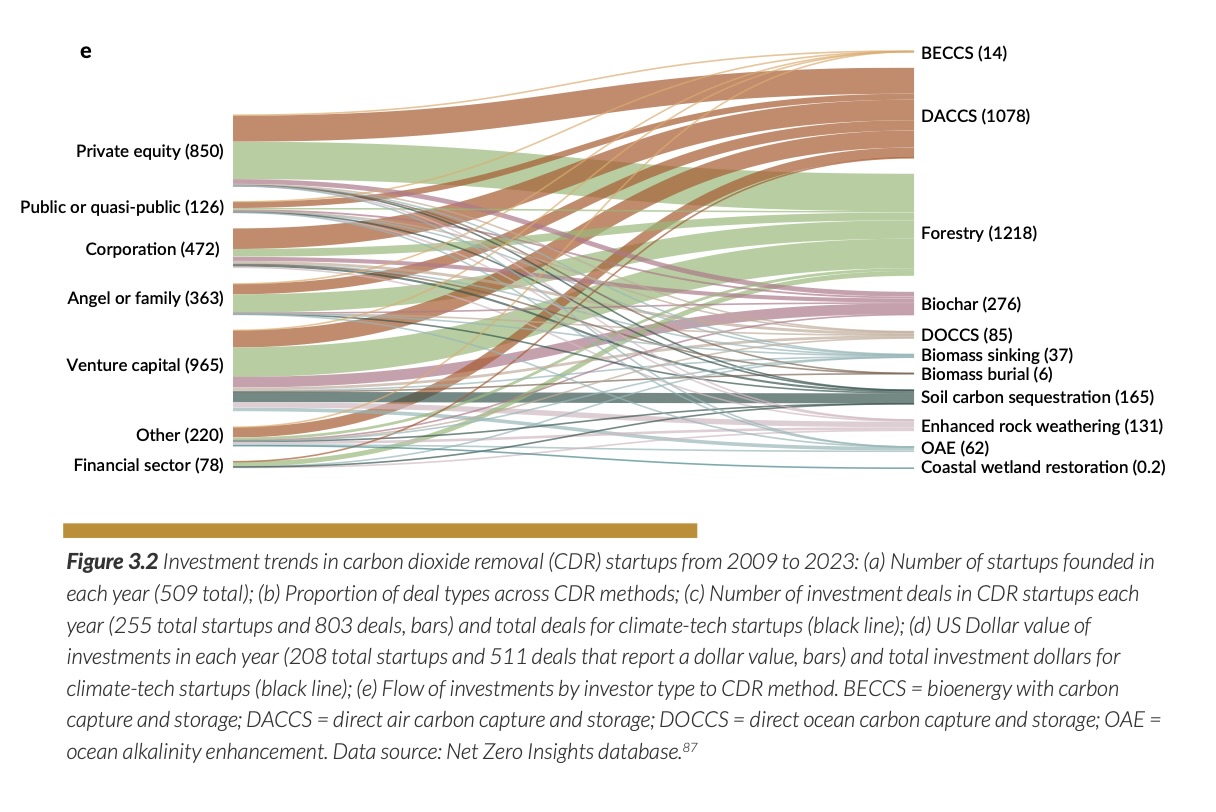
Development expenditures are too often self-funded and constrained, which leads to incomplete or immature investment propositions later on. There's real value to capture for investors willing to engage earlier in the journey. Structures built on secured cash flows from long-term offtakes with blue-chip buyers have rallied serious interest, sometimes at the cost of projects trading upside for demonstrated certainty, while structures that lean into market growth remain harder to come by. Every new signal of demand, whether in voluntary or compliance markets, will help that next wave of capital accelerate.
What investors and buyers are looking for
Liquidity is generally available for carbon projects that can demonstrate secured cash flows through bankable offtakes, mitigate delivery risk with insurance products, and absorb the financing costs. That's how you appeal to investors with the strictest mandates and the most economical capital.
Other pockets of capital look for different proofs of product-market fit: partial offtakes, demand signals, strong ratings for the carbon credits. Some investors actively prefer setups where they can on-sell a stream of high-quality credits. Delivery risk is under increased scrutiny across the board: as the market matures, investors want risks clearly identified and mitigation measures built in, whether or not a risk-mitigation product sits on top. A strong economic case backed by a bank-quality financial model and full investor documentation is essential, and it increasingly serves as due-diligence material for buyers wary of delivery risk too.
And we should always remind ourselves that climate-relevant scale is what matters. Projects need to be developed with replicability and scalability in mind. Investors prefer projects anchored in broader economic ecosystems and value chains; that anchoring is one of the strongest indicators of resilience and potential for replicability.
Looking ahead
Most of all, I'm excited to bring the first set of projects to financial close. I'm also looking forward to deepening relationships with the investor community, particularly those exploring earlier-stage development capital where I think the most interesting opportunities lie. And on the platform side, I want every project we work on to make the next one a little easier to finance. If we get this right, we won't just be developing strong projects, but we'll also be helping bring solutions so that high-quality carbon projects consistently meet the capital they need.